Next in my Sabbats series is Samhain (pronounced Sow- wen or Sow- in).
Samhain
If Mabon was the quiet exhale, Samhain is the deep breath in that fills the lungs with cold, crisp air. Falling between 31stOctober and the 1st November it marks the true beginning of winter in the Pagan calendar. It is the time when the boundary or veil between the living world (Mundus) and the Otherworld (the realm of the dead, spirits, and fae) becomes permeable or at its thinnest.
For many Celts and Wicca this is the most powerful Sabbat of the year. It is a time of introspection but also, spiritual work, and profound connection with those who have passed. While it has been heavily commercialised into “Halloween,” its roots lie in ancient Celtic harvest festivals and the Norse Álfablót (Elf-Blessing), a time to honour the unseen powers that influence our fates.
Álfablot this year actually fell on the 25th October and is a very private Norse ceremony. Traditionally performed at individual homesteads, the Álfablót honoured the álfar (elves), ancestral spirits dwelling in burial mounds. Unlike Samhain, there were no communal gathering, no sharing of food or hospitality, just each family alone communing with their dead in the dark of late October.
The Season’s Soul: Death as Transition
In Pagan belief, death is not an ending, it is a doorway. Samhain is the moment we acknowledge that door. We do not fear it, nor do we romanticise it lightly. We recognise that every ending contains the seed of a new beginning. The darkness of winter is necessary for the rest that allows spring to burst forth.
Mythological Roots
Celtic – The festival of the dead, where druids predicted the future by reading the omens of the night.
Norse – Álfablót, one of the three major blóts of the year. The álfar (elves/spirits) were honoured, believed to be more active and influential during this time. Neglecting them could bring misfortune; honouring them brought protection.
Samhain Through The Wiccan / Celtic Lens
The end of the year, marking the transition from the light to the dark.
Spiritual Contact – Meditation, trance work and communicating with guides. Reviewing the Year – Looking back at the past twelve months with honesty. What worked? What failed? What lessons must be carried forward? Setting Intentions – Planting seeds for the next cycle, knowing they will only sprout after the long dormancy of winter.
The Palette – Colours, Herbs, and Elements
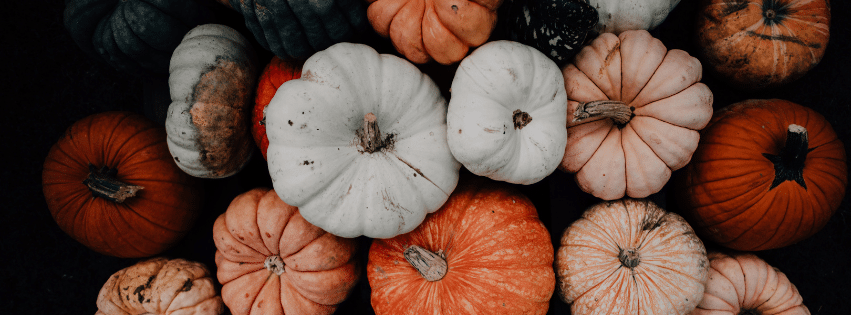
Samhain is dark, mysterious, and earthy. It smells of woodsmoke, damp leaves, and candle wax.
Colours
Black & Purple – Representing the mystery and royalty of the spirit world. Orange – For the harvest pumpkins and the last fire of the sun. Grey- For mist, fog, and the liminal space between worlds.
Herbs & Flowers
Mugwort & Wormwood – Potent herbs for dreamwork and banishing negativity. Rosemary- Still strong here for remembrance. Pumpkins & Gourds – Not just for carving, but for displaying abundance before the storehouse closes. Evergreens – Pine, fir, and holly remind us of life that persists through the snow.
Crystals & Stones
Obsidian & Black Tourmaline – Protection against negative energies that may cross over. Selenite – To cleanse the space and enhance intuition. Moonstone – Connecting to the lunar cycles and the feminine divine.
Candles
White Candle – Represents the soul/light of the ancestor. Black Candle- Represents the void/death. Pairing – Often burned together to show the duality of life and death.
Ceremony Guides for Samhain
1. Marriages & Handfastings
A handfasting at Samhain is profoundly meaningful. It is a union that acknowledges mortality. You are binding yourselves not just for this life, but across the veil. Ritual Idea – Light two candles, one white and one black. Bind your hands with a cord while holding these candles. Speak vows about loving each other through light and shadow, life and death.
The Oak & Thorn Twist – Use a thorn branch to draw a circle around the couple. The thorns protect the bond from outside interference, and if you can get hold of some oak wood incorporate it into the ritual to ground the union.
2. Namings
Naming a child at Samhain is an act of courage. You are naming a soul entering the world at its most mystical time. Ritual Idea – Write the name on a piece of parchment. Burn it carefully, watching the letters turn to ash. Say, “May (Name) walk between worlds with grace, protected by the ancestors and guided by the stars.” Symbolism – The name is released to the universe, claimed by the spirits, and returned to the parents as a gift.
3. Vow Renewals
Renewing vows at Samhain is a declaration of resilience. It says: “We have walked through the dark, and we are still here.” Ritual Idea – Share a cup of cider or wine. Pour half onto the earth as an offering to the ancestors who watched your journey. Drink the rest together, sealing the renewal.
4. Memorials
This is the pinnacle of memorial work. The veil is thin, and the connection is strongest.Ritual Idea – Create an altar dedicated solely to the departed. Place photos, mementos, and food/drink they loved. Sit in silence, inviting their presence. Listen. Do not force communication; simply be present.Focus – Grief is welcome here. Let yourself feel the loss fully, then release it with gratitude for the time you had.
The Oak & Thorn Twist
1. The Threshold Offering
For my personal Samhain ceremony, I like incorporate a ritual I call The Threshold Offering. I place a bowl of water and a small plate of food (something organic like apples or nuts) at the threshold of my home. This represents the boundary between the inner sanctum and the outer world. I will say words to the effect: “To those who walk beside us in the unseen, we offer sustenance and respect. May you pass through our thresholds with peace, and may we find strength in your memory.” At dawn, the offerings are removed and taken to a natural place locally to be returned to the earth. This act physically moves the energy from the home and back to the wild, acknowledging that my ancestors belong to the land as much as to our hearts.
2. A Community Gathering – Walking The Death Road
Our customs were communal by nature, fires on the hills, places laid at the table for the dead, lanterns carried to light the way. And wherever the dead are honoured in company, there is often drumming and dancing. So this community ceremony is held outdoors at dusk where the land allows, and everyone is welcome. Those mourning, those remembering, and those who simply want to stand with their neighbours as the veil thins.
We gather at the edge of the land of the living, and the drummers begin.
We are then invited to walk the ‘death road’ individually, drummed along the whole way, each person carrying the name of their dead, someone in the other realm, however long ago, however new.
At the road’s end stands the altar where you light a tea light from the mother candle, a small flame for a name, spoken aloud or held in the heart.
And then, lit and drummed and held, you turn around, and leave the death road in your own way. Maybe a slow walk, or a dance.Make it your own and embrace returning to the light.
The grief is walked to the door and the joy walks us home, and after, we feast together, because the oldest way to honour the dead is for the living to sit down share stories, drink and eat in their memory.
Are you interested in exploring a Samhain ceremony? Get in touch ready for the wheel turning into 2027.
Next up, Yule. This is the longest night, the death of the old sun, and the birth of the new.
Michelle | Oak & Thorn Ceremonies Pagan Celebrant
Inclusive, sustainable, and nature-centric ceremonies in Essex & Suffolk.